Technology
3D Concrete Printing and Dubai’s 2030 Target
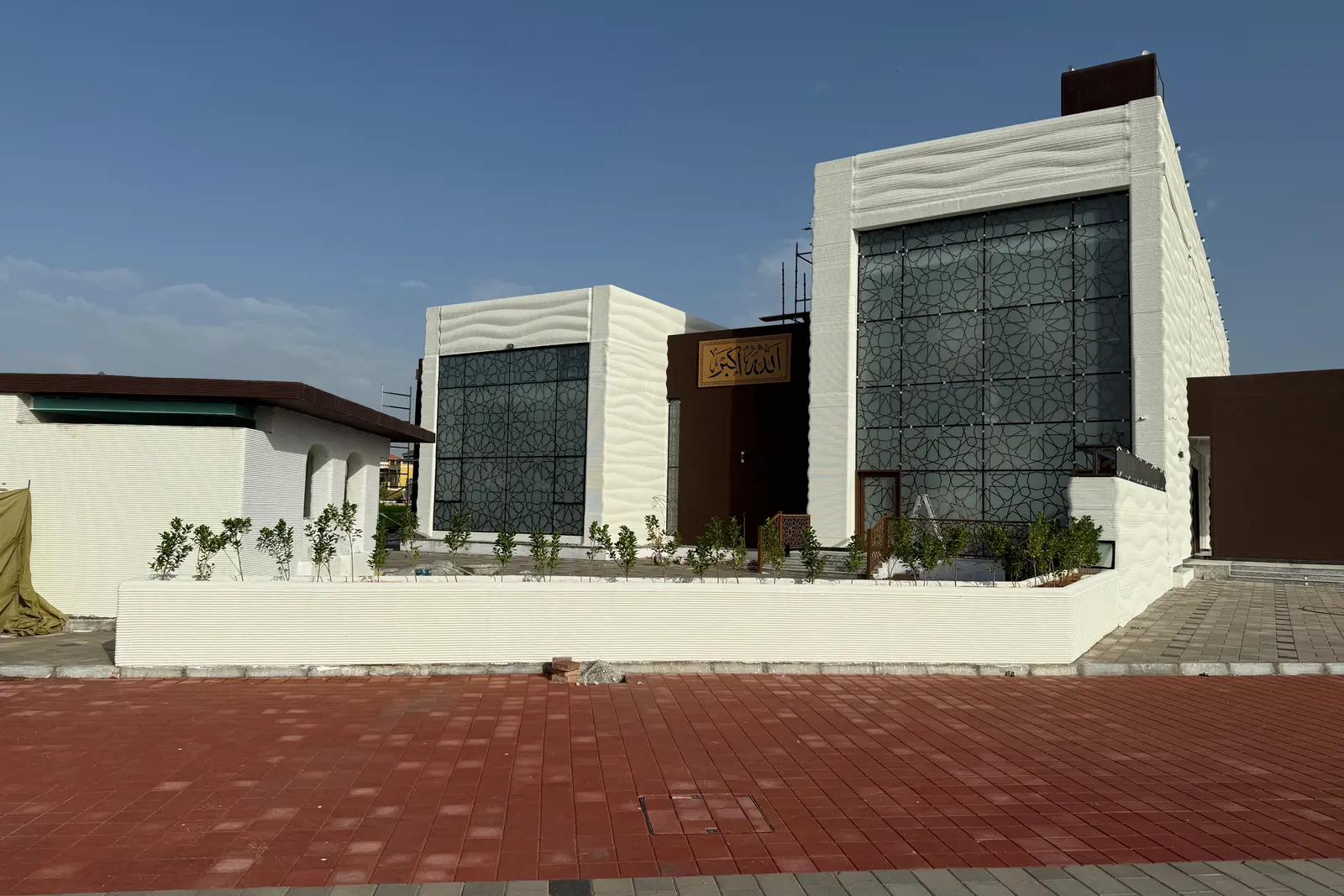
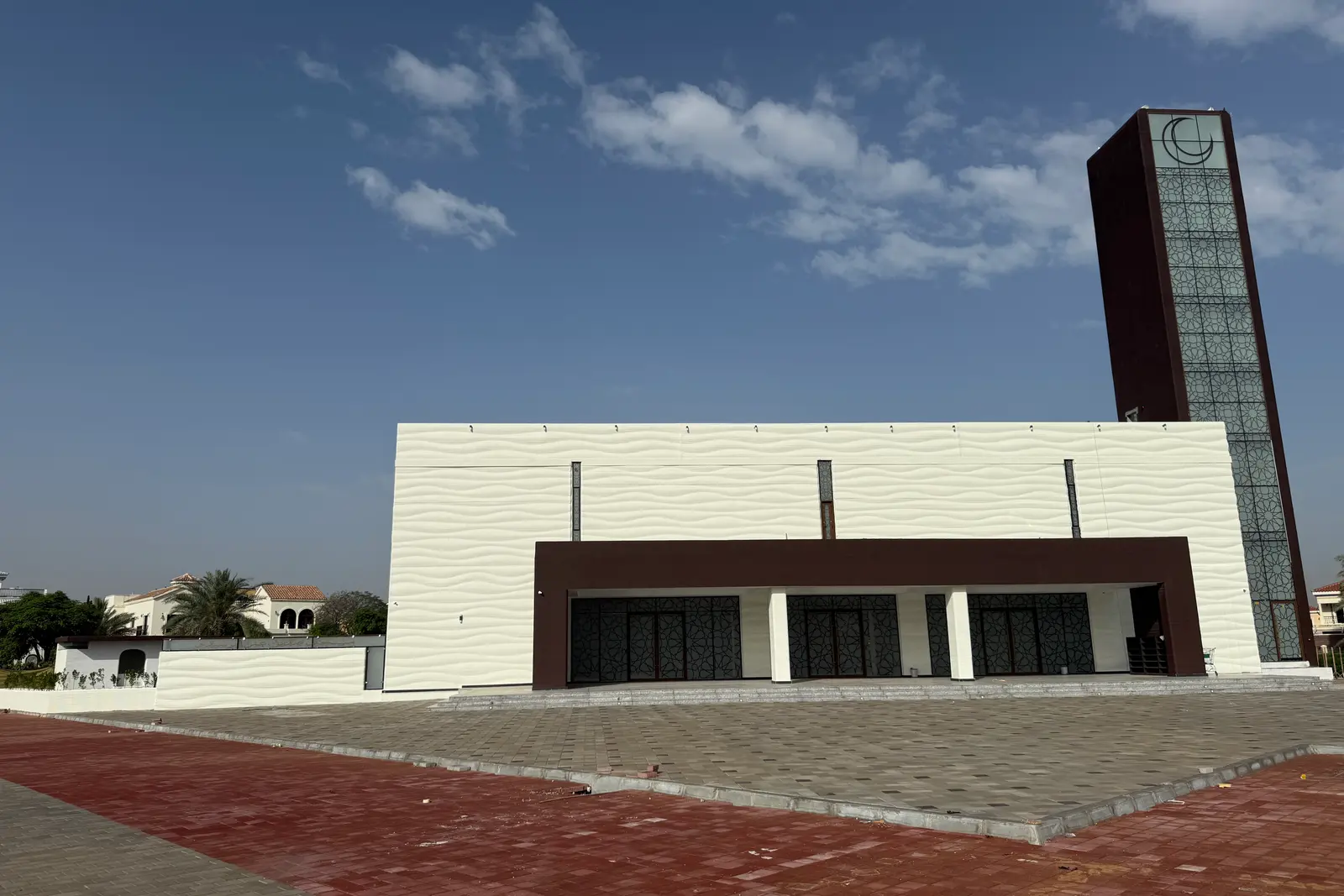
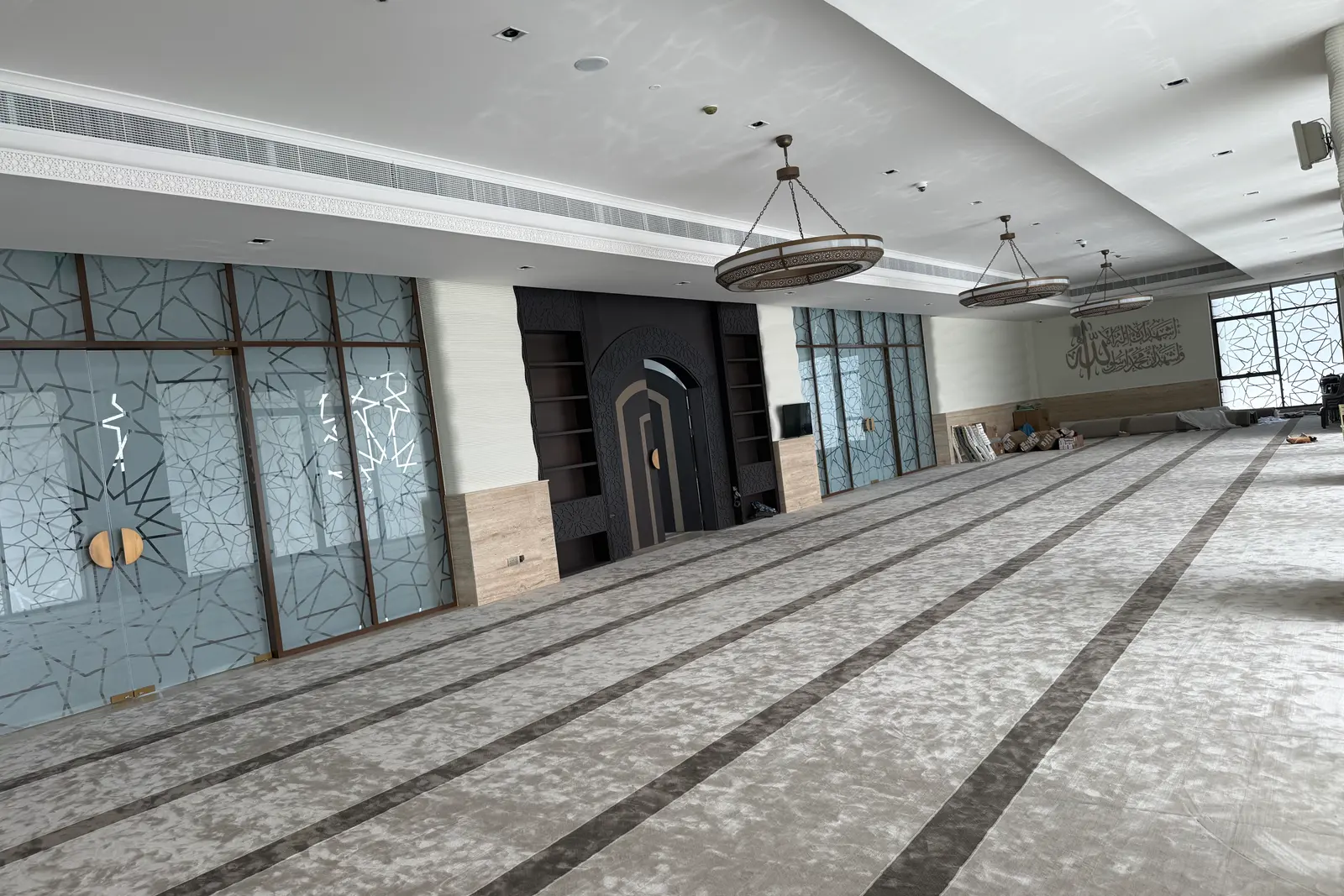
Dubai has set a target for a quarter of its new buildings to be 3D printed by 2030. Miles is licensed for 3D printing building construction contracting and has already delivered printed work, including a completed mosque — which puts the company inside that target rather than waiting on it.
- Method
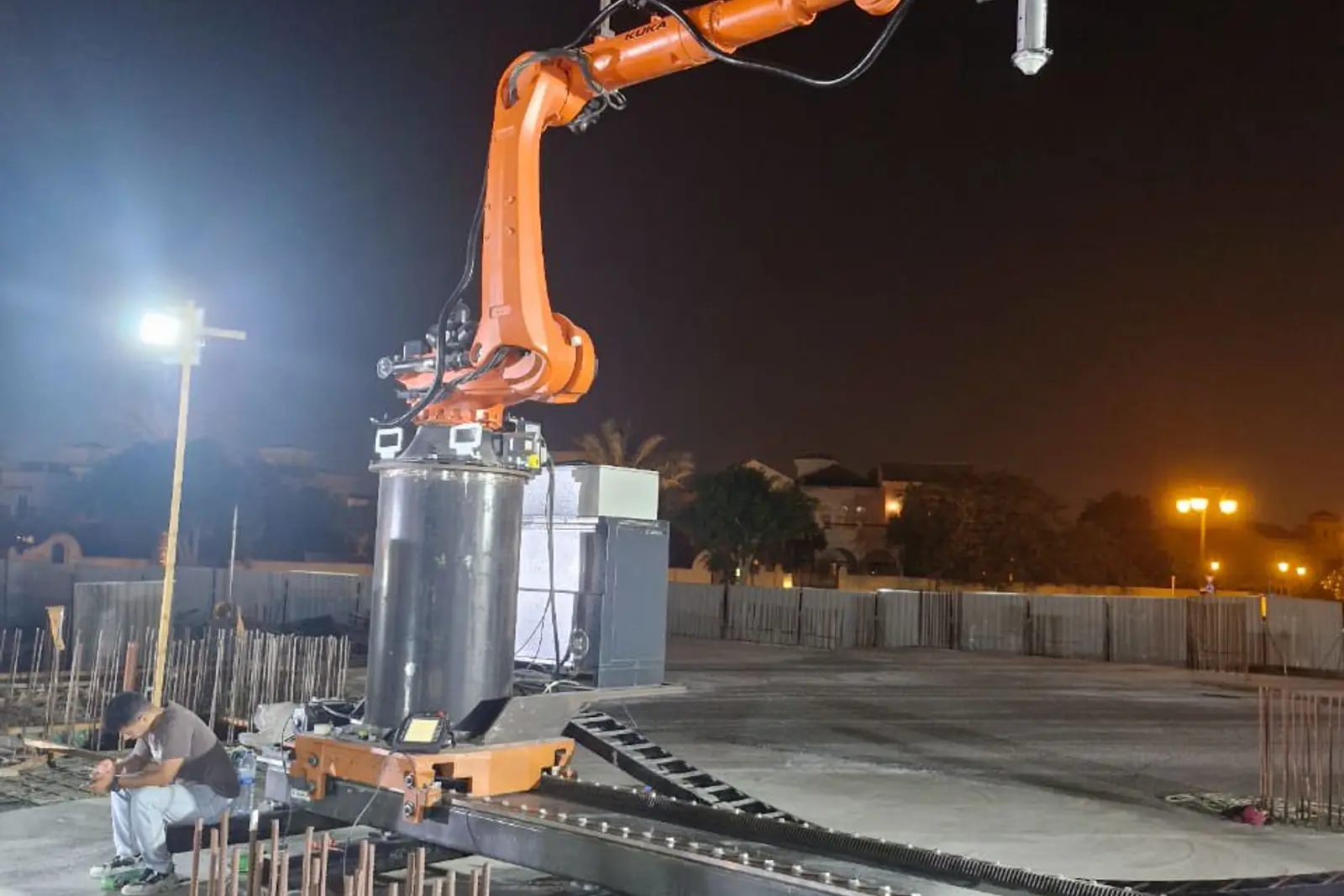
- On-site robotic concrete printing, no formwork
- Dubai’s 2030 target
- A quarter of new buildings 3D printed
- Strategy
- Dubai 3D Printing Strategy, launched 2016
- Regulator
- Dubai Municipality
- Licence activity
- 3D printing building construction contracting
- Delivered by Miles
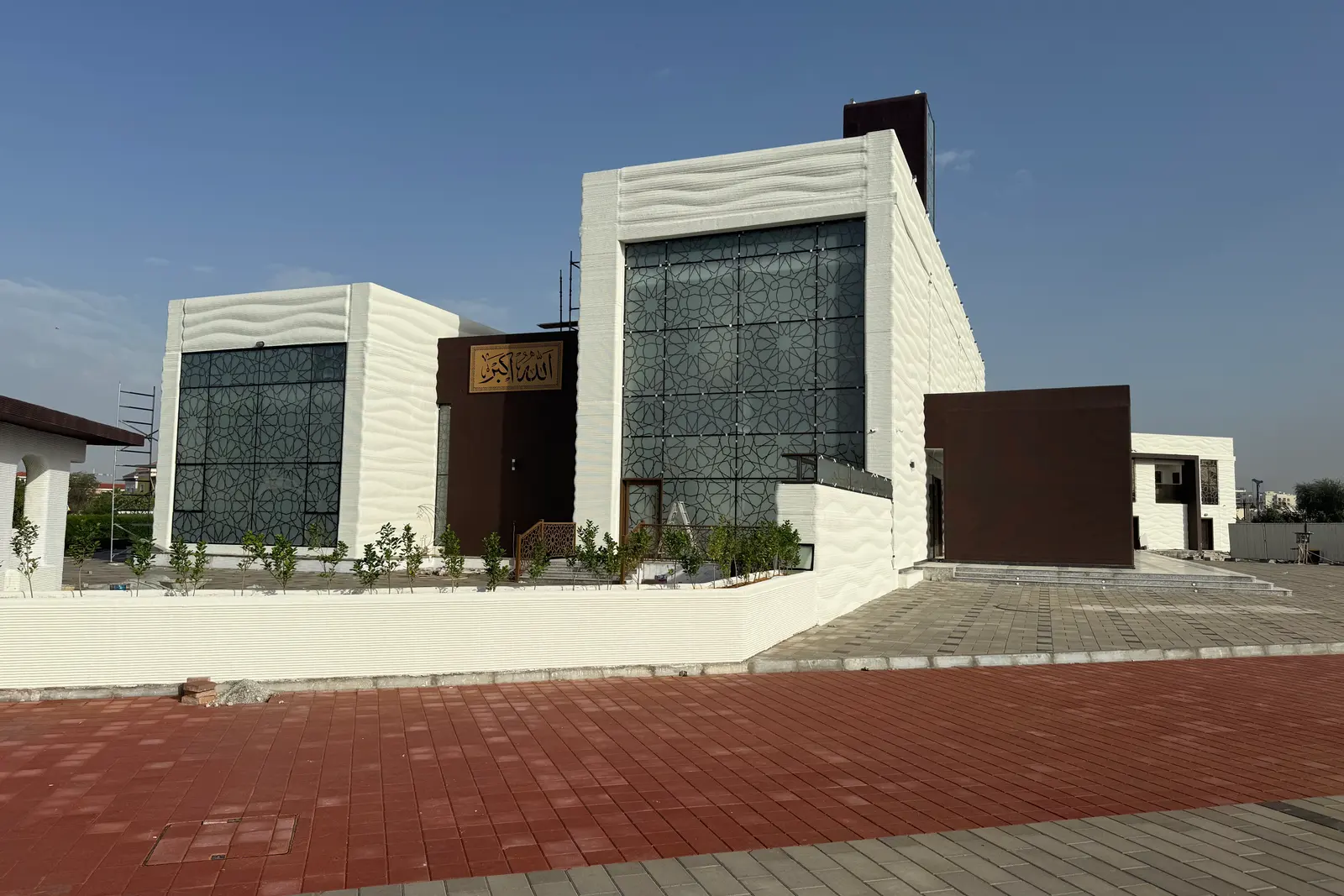
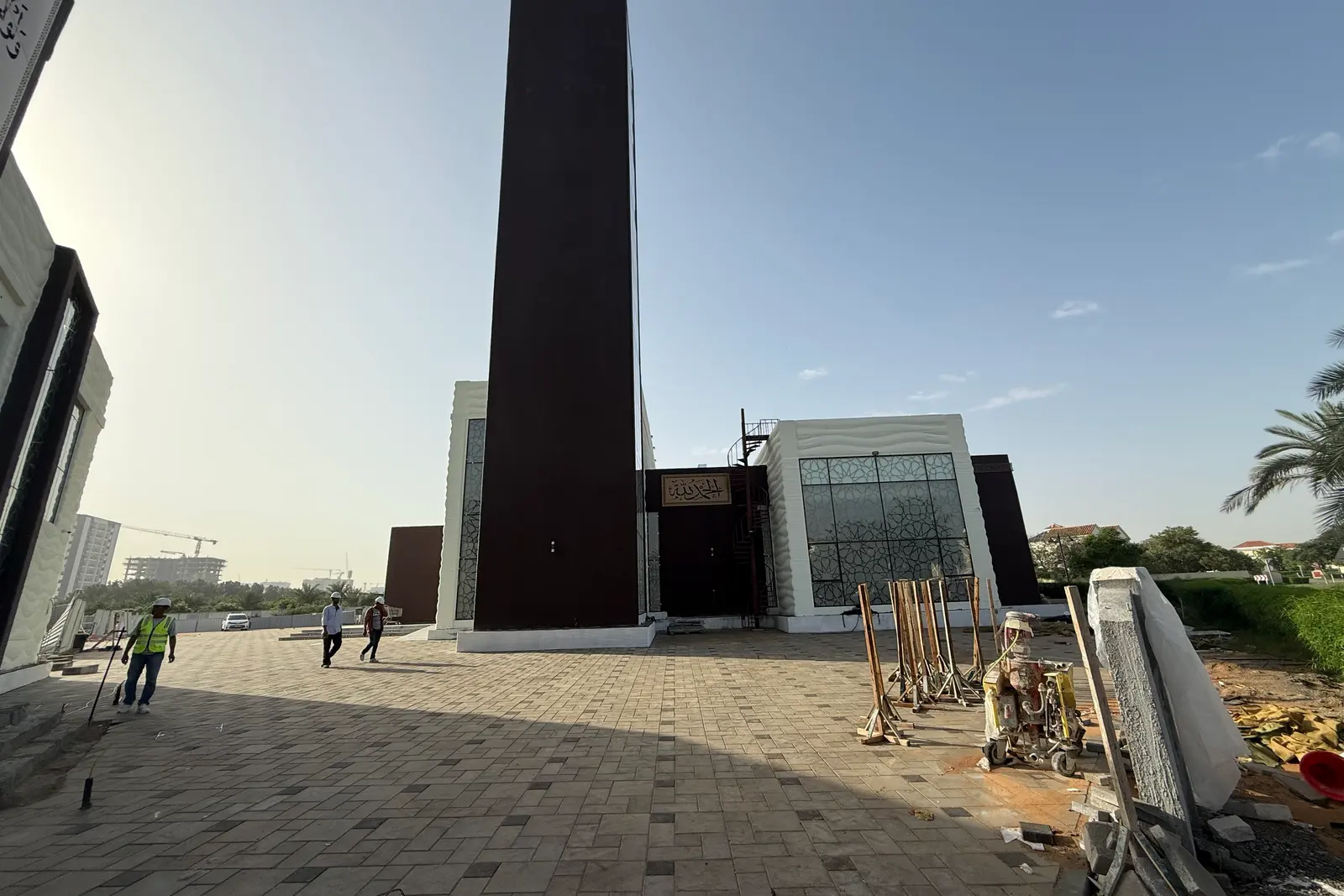
- A completed printed mosque in Dubai
Dubai set the target
In 2016 His Highness Sheikh Mohammed bin Rashid Al Maktoum, Vice President and Prime Minister of the UAE and Ruler of Dubai, launched the Dubai 3D Printing Strategy. It set the emirate a direction that has shaped the construction market since: a quarter of every new building in Dubai to be 3D printed by 2030, and Dubai itself to become a leading centre for the technology.
Dubai Municipality then did the part that matters to a contractor — it built the regulatory framework, so that a printed building can be designed, permitted, inspected and handed over like any other. Printing in Dubai is not an experiment operating outside the code. It is a permitted method of construction.
Why it changes what can be built
Printing places material by following a digital model, so the cost of a shape stops being the cost of the mould that makes it. Curves, relief, calligraphy and screen patterns become a question of design time rather than joinery. Material goes only where the model puts it, and fewer people work around formwork and at height.
The result is not simply a faster wall. It is a wider range of buildable forms, and a route to the kind of architecture that the region has always valued but that conventional casting has made expensive to build.
Where this is going
The first printed projects anywhere were demonstrations. The second generation — where the industry now sits — is real buildings, permitted and occupied, with printing used where it is genuinely better and conventional methods used everywhere else.
What comes next, as the 2030 target approaches, is scale: housing delivered in volume, printing that moves from feature elements to complete envelopes, and mixes with a lower carbon footprint than the concrete they replace. The technology is no longer the hard part. Programme, cost certainty and the supply of skilled operators are.
Where Miles stands
Miles carries 3D printing building construction contracting on its Dubai commercial licence and has printed completed work — a mosque at The Villa, Dubai. That is the difference between a company that intends to print and one that has handed over printed buildings.
What printing does not replace
Foundations, slabs and the elements carrying primary loads are built conventionally, printed elements are integrated with them, and MEP is installed as normal. Printing is a method Miles uses inside a conventional building contract, not a substitute for one — and being a main contractor first is what makes the printing deliverable.
The method in use
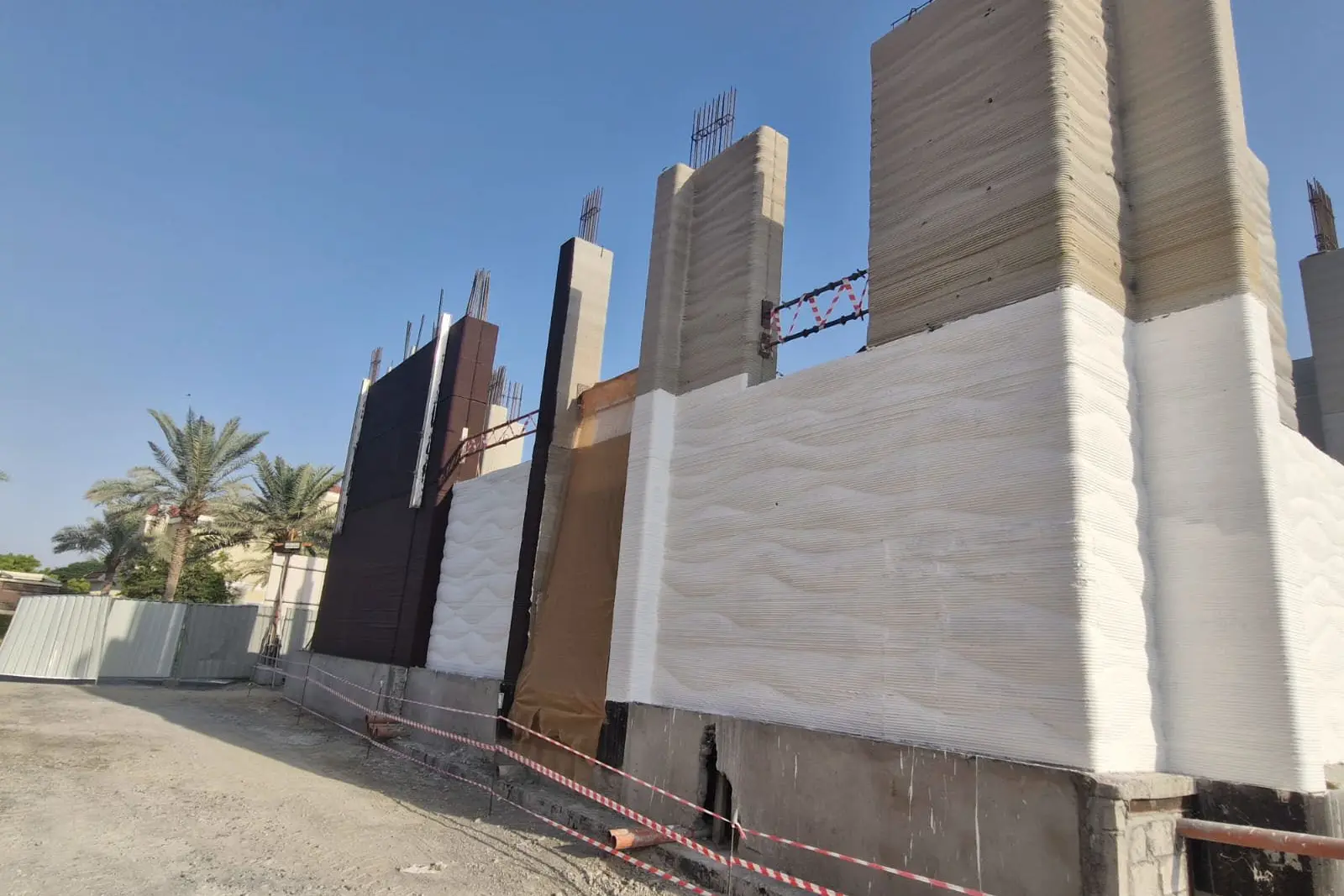
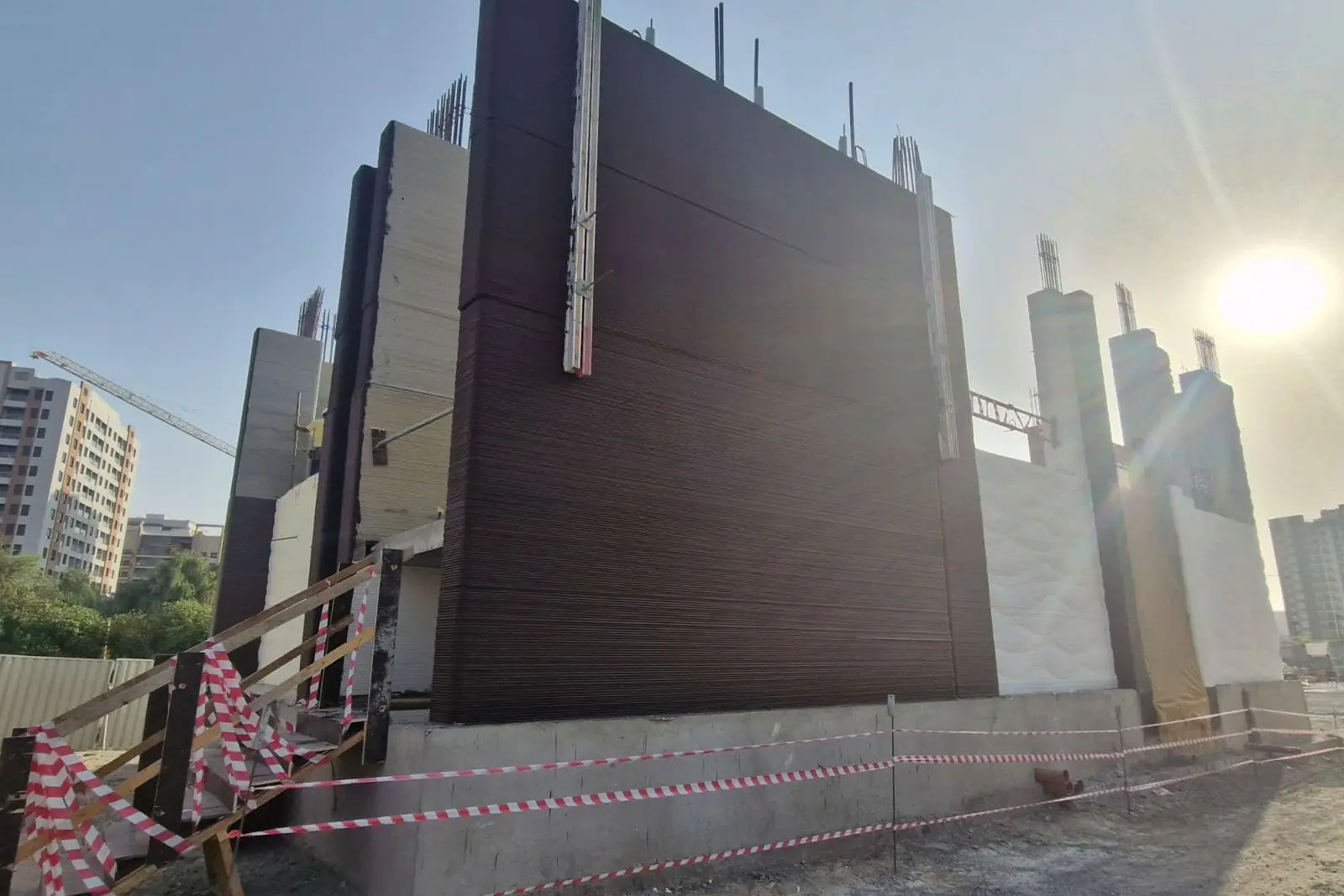
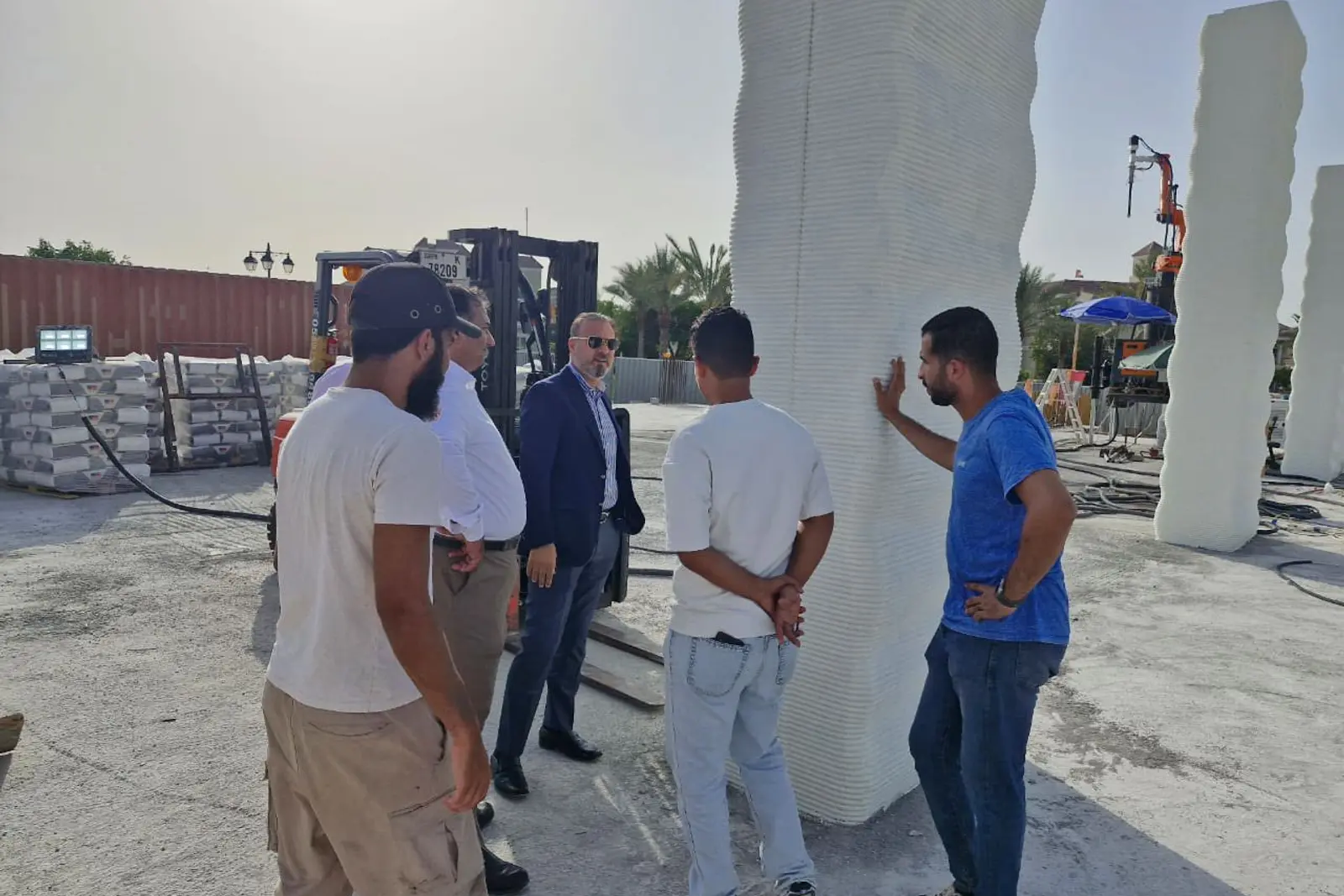
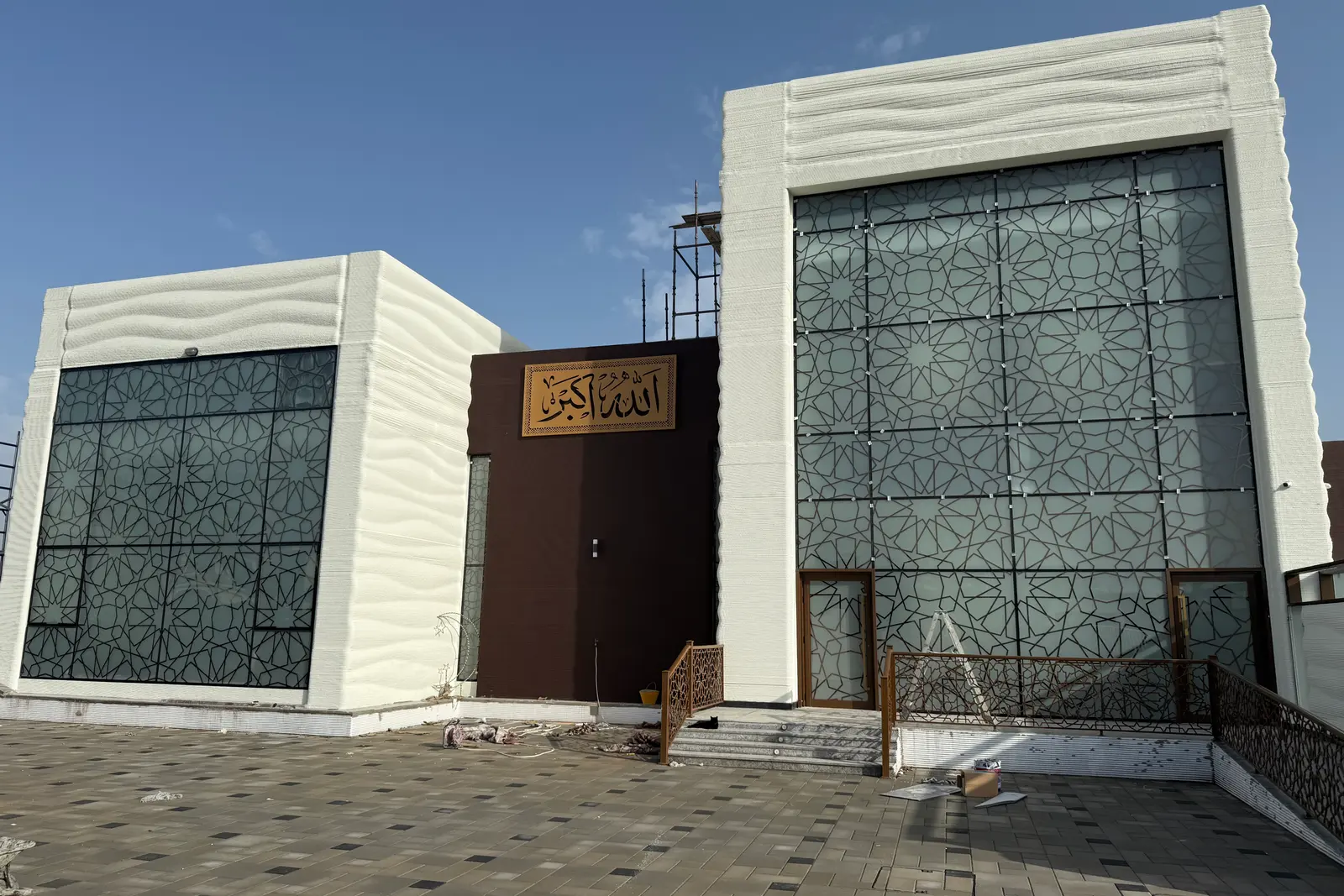
Projects delivered with this method
The matching service
3D Concrete PrintingLast reviewed 2026-08-16